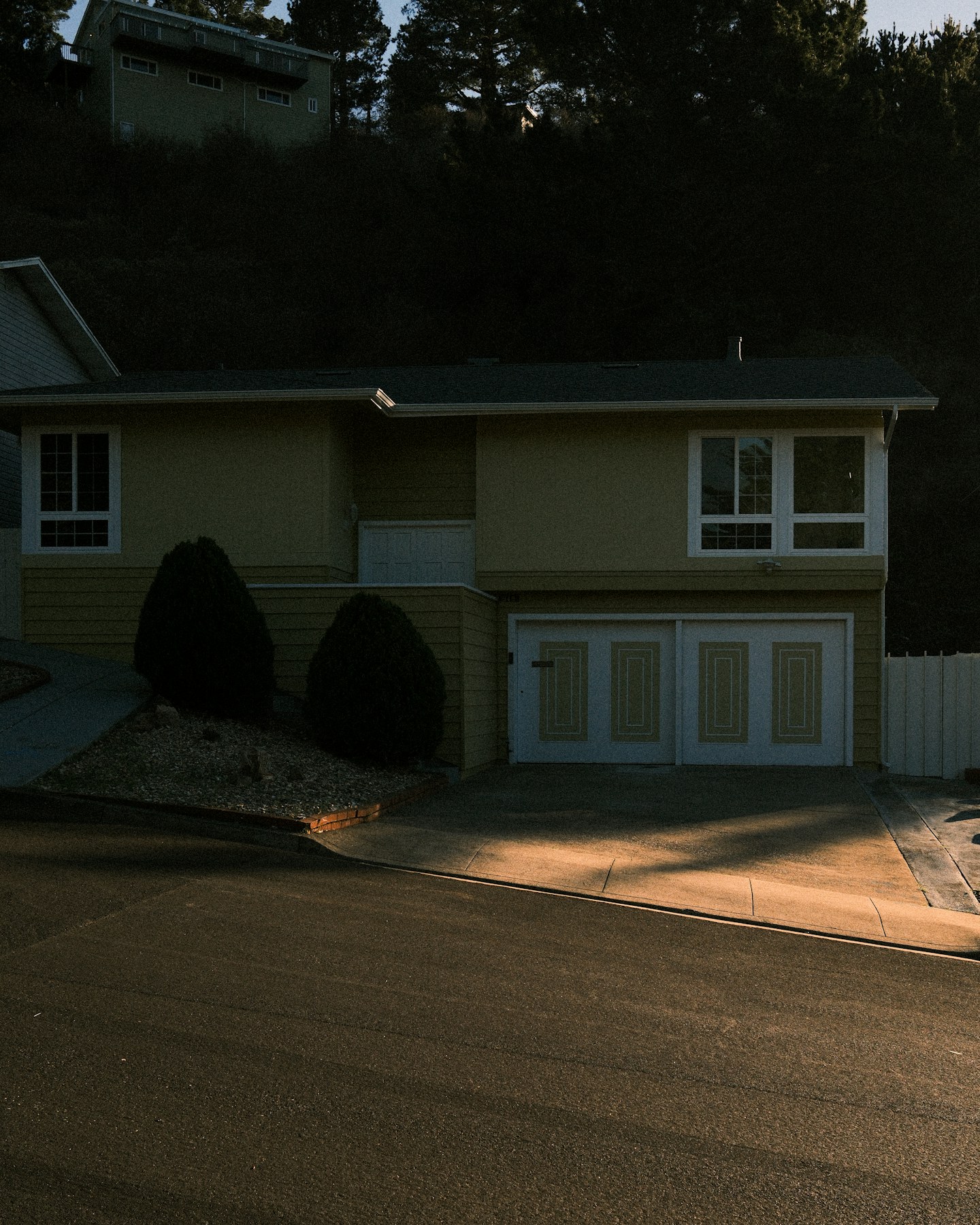
Look at the risk beyond your walls
Check building and contents coverage separately. Compare eligibility through the National Flood Insurance Program and private insurers where offered; do not infer risk only from a mortgage requirement.
Start with the risk you want help managing. Then look at the policy’s benefit, your share of a covered loss and the conditions that determine when it pays. A useful comparison keeps those details consistent across providers.
Coverage at a glance
These related coverage concepts help put this topic in context. Not every feature applies to every product.
Your home
Dwelling coverage helps repair a home after a covered loss.
Your belongings
Personal property coverage helps protect the possessions listed within the policy terms.
Living elsewhere
Additional living expenses can help when a covered loss makes your home uninhabitable.
Building and contents are separate decisions
Flood policies can have separate limits and deductibles for the structure and personal property. Review basement or below-ground restrictions, loss settlement terms and any extra living expense benefit rather than assuming it works like a homeowners policy.
Timing matters before a forecast
A flood policy can have a waiting period, with exceptions depending on the program and situation. Do not assume that buying after a storm is forecast protects against that event. Compare NFIP and private options using the actual property and effective date.
Protect the cost of rebuilding your life
Your home’s sale price includes factors that do not directly measure rebuilding cost, such as land and location. Dwelling coverage should be considered against the cost of restoring the insured structure under the policy’s rules. Ask how the insurer estimates that amount and whether extended or guaranteed replacement features are available.
The building is only one part of the picture. Detached structures, personal belongings, personal liability and additional living expenses can each have their own limits. Renovations, a home office, valuable collections or renting out the property can change what you need to discuss with the provider.

What affects the cost?
Rebuilding cost is different from market value. Construction, location, roof condition, claims history and policy terms can influence the price and availability of coverage.
Request a quote using accurate information and matching benefits. If a lower premium reflects a larger deductible, a smaller limit or a narrower benefit, consider how that change would affect you after a loss. Ask the provider to separate optional add-ons, fees and conditional discounts from the underlying policy price.
Read the exclusions, too
Standard homeowners policies generally exclude flood and earthquake damage. Maintenance, gradual deterioration and some home-business risks also require separate consideration.
“Can you walk me through a situation I expect to be covered, and show me the policy wording that applies?” A specific scenario can reveal a misunderstanding more quickly than a general promise of protection.
Take these questions with you
- Check the rebuilding estimate and dwelling limit.
- Compare replacement cost with actual cash value.
- Look for separate wind, hail or hurricane deductibles.
- List valuables that need additional coverage.
Sources & context
Prepared by PolicyFernway from primary consumer information. Read the primary source. This guide explains general concepts; the final policy and state-specific rules determine actual coverage.
Published and updated October 6, 2026. We do not present stock photographs as customers, testimonials or evidence of insurance results. No licensed individual review is claimed.